Why More Real Estate Capital Is Looking at New Jersey
June 23, 2026
For years, New York City was the automatic answer for many real estate investors. If capital wanted exposure to the region, it often started in Manhattan and worked outward from there. Lately, those conversations have begun to change.
Investors are paying closer attention to operating costs, regulations, and the long-term predictability of an investment. As those factors become more important, many are widening their search beyond the five boroughs and taking a fresh look at markets across the Hudson River. New Jersey continues to offer something that is increasingly difficult to find: access to one of the world's largest employment centers combined with the ability to invest in communities where growth remains achievable.
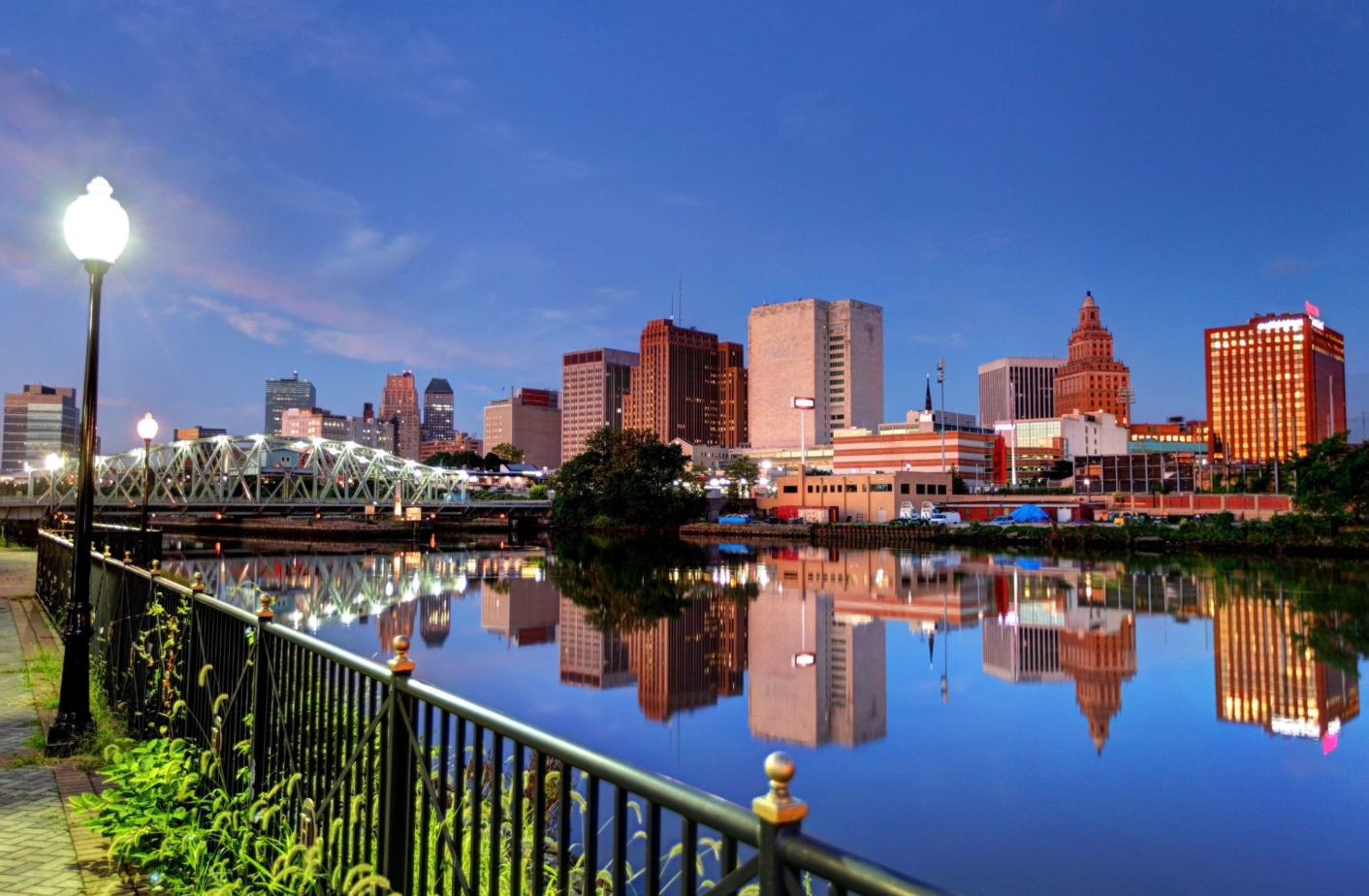
What makes the state particularly attractive is that residents are not choosing between New York and New Jersey. For many, New Jersey is part of the same economic ecosystem. A resident can live in Union, Elizabeth, or East Orange, commute into Manhattan, and remain connected to the opportunities that make the New York metropolitan area one of the strongest regions in the country. The train ride may be different, but the relationship to New York remains.
That dynamic has not gone unnoticed by investors. Capital that may have traditionally focused on New York City is increasingly exploring opportunities in transit-oriented New Jersey markets where demand remains steady and communities continue to attract residents. The appeal extends beyond proximity to Manhattan. Investors are finding growing downtowns, improving infrastructure, and neighborhoods that continue to benefit from population and employment growth.
Nobody is suggesting that New York City will stop attracting investment. It remains one of the most important real estate markets in the world. Yet more investors are recognizing that some of the most compelling opportunities in the region may be found just across the river, in communities where strong fundamentals and long-term demand continue to support multifamily housing.